Ep.44 - How to Grade Capped Bust Half Dollars with Owen Seymour #numismatics #coin #coins #silver
Hey, folks. Welcome back to the Cabbage Coins Podcast. My name is Tony Grekevich, and I'm the owner operator of Cabbage Coins. And as I've mentioned so many times, one of the biggest things I'm trying to do with this podcast is to educate the audience out there in YouTube land about numismatics that involves everything from how to collect particular series to how to grade US coins. The real hope out there is to elevate every the quality of everybody's collection.
Tony Gryckiewicz:See a lot of you guys at coin shows, I've been really great grateful to to have the audience that we have out there. Everybody is engaging in the comments. I love all of that stuff too, so please continue to do that. Today we have Owen Seymour. Owen, as you guys should be very familiar with at this point, he's been on the podcast a couple times.
Tony Gryckiewicz:Owen is a co owner of Rarity seven Coins and Currency, and he's also a former PCGS grader. And today, we're gonna be talking about Capped Plus Half Dollars, but before we get to that, just wanna say welcome back. What have what have you been up to lately?
Owen Seymour:Thanks for having me back, Tony. I've just been busy with kinda day to day coin dealing things. We've been making, you know, making a lot of purchases. We've been attending a few auctions and and bought a ton out of auction. I've been traveling pretty relentlessly.
Owen Seymour:So I'm I'm trying to cross things off my to do list, but for everything I cross off, two more sprout up. So just playing the infinite game of coin dealer catch up.
Tony Gryckiewicz:But I
Owen Seymour:enjoy it, so it's all good.
Tony Gryckiewicz:Yeah. Yeah. There is not a day that I wake up feeling like this is work. I feel very different than than than the traditional work. So I'm very fortunate myself as well-to-do this.
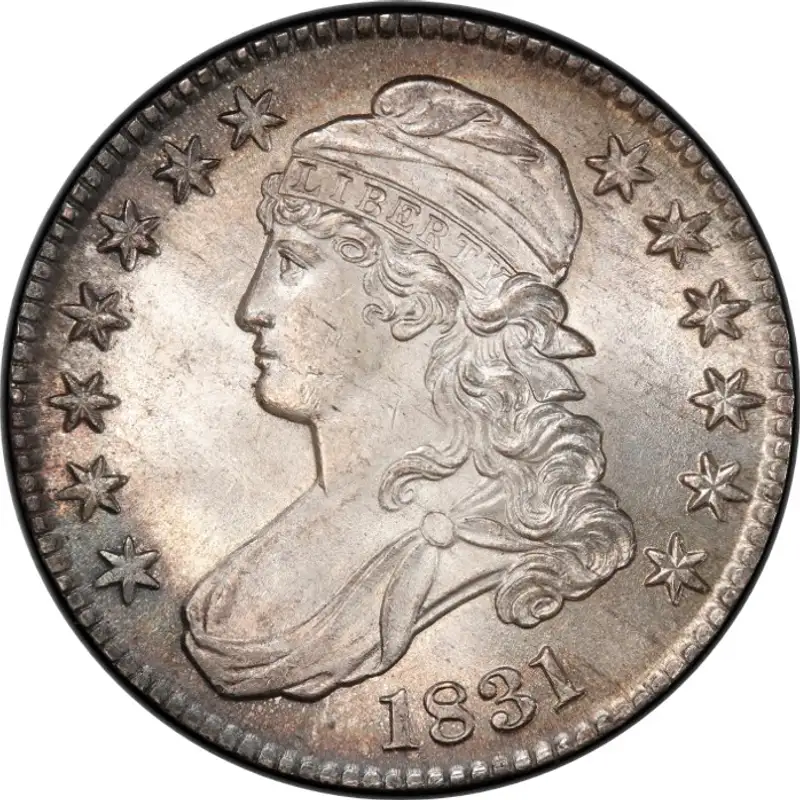
Tony Gryckiewicz:So today we're talking about Cap Bust Half Dollars. It's one of my favorite series, one of the very first numismatics I ever purchased getting into the hobby way back in 2015. I think it was, was a cap bust half dollar. So before we get into the examples and showing everybody the different, I think we've got a total of 18 different coins we're gonna look through. What would you just kind of say high level, the fundamentals of cap bust half dollars?
Owen Seymour:Yeah. I mean, first Cat Bus Half Dollars, you said, are one of my favorite series. I gravitated toward them early in my career and to this day I still love them. They're one of my favorite things. Cat Bus Half Dollars are difficult to grade and collect, but are very rewarding when you do understand them.
Owen Seymour:So they're complicated because the mint technology used to produce Cat Cat Bus Half Dollars was a little more archaic than a later series. So Seated Half Dollars generally tend to come pretty well made. There's not a ton of strike variants from year to year, and that couldn't be farther from the Troop on Capas half dollars, especially early dates. So there's a lot of strike variants manufactured, you know, nuance. There's kind of like really good forms of patina.
Owen Seymour:There's really bad kinds of patina that that, you know, are just environmental damage that we'll talk about. They've been collectible for a long time. They're sort of subjected to all kinds of, you know, ways that coin dealers play with them, like tooling and altered surfaces, all these really complicated problems. So there's a lot to Capa Soft Dollars. They are not straightforward or easy.
Owen Seymour:But like I said, I I think that whether you're a dealer or a collector, they're a really fun and rewarding series.
Tony Gryckiewicz:Yeah. I would agree. I would agree. So without any further ado, I mean, if you're ready, we'll get into the first first example.
Owen Seymour:Yep. Let's do it.
Tony Gryckiewicz:Alright, folks. So we got an $18.27 Capast Half in Fine 15.
Owen Seymour:So I picked out a 15 because generally Capast Half Dollars, if you're encountering them certified, there's not many that are gonna be certified below fine. So this is kind of the lowest kind of collectible grade of these. You'll see a good or a VG coin here and there. Those are good for an album. But if you're doing a set, mean, people are collecting VF or better.
Owen Seymour:So I I think this is a coin that's just missed a VF. I like to look at the stretch of hair between the the lettering of liberty and right above the dates. That that kind of vertical stretch of hair is usually a pretty good indicator of how worn the coin is. Liberty can be kinda misleading because there's there's the lettering itself because there's some years where they're so poorly struck that you'll see excess where it looks like the Liberty's kind of worn off and then you'll see VG's coins with a crystal clear Liberty. So you kinda have to be careful not to be misled by that or rely on it too much.
Owen Seymour:But other than that, this coin has like a really nice natural patina throughout. I don't see any any issues with it. There's a little ding in the field, but that's okay. And if we take a look at the reverse Yeah. You will note there is a scratch to the right of the eagle's head.
Owen Seymour:So on a coin like this, this thing's 200 years old. It's really heavily circulated. A coin like this is gonna get a little more forgiveness. So if this scratch was on an uncirculated example or maybe on, you know, a brand new half dollar, a Franklin half dollar even, it's gonna be looked at, you know, a little more harshly. But this is acceptable on something like this.
Owen Seymour:This is okay. I I I don't think that this ruins this coin. Now this is probably a a $100 coin, and I don't think that this scratch should have the value or anything. It it's still okay for a fine.
Tony Gryckiewicz:Yeah. I mean, in my opinion, it's kind of in a it's somewhat hidden area. It's it's a little bit heavy for me, but you were talking about a $100 coin. I mean, just just being able to, I guess, have something of this age, a $100, this is sort of inconsequential, I guess you could say.
Owen Seymour:Yep. And and one of my favorite areas to look for wear on these is the left and right wings. I'm gonna keep saying it. The strike varies a lot. So there's a lot of dates like eighteen tens, we'll see these later, where where they're struck with completely flat left wings.
Owen Seymour:So you can't look at a bust half hour and say, oh, a flat wing. It's not v f. But but I think this is looks like one that was was well struck when it was made. So this is kind of what like a a fine 15 coin should look like. It's got a pretty flat left wing and head and the right wing has just a little bit of feather details.
Owen Seymour:This is kinda me. This is like a textbook choice fine coin here. Interesting. Interesting. Yeah.
Tony Gryckiewicz:Very good. Very good. So moving on to our VF 30 example, an 1826 in a VF 30.
Owen Seymour:So this one's definitely a notch up from the prior coin. This is kind of a choice VF coin. If this was called VF 30, that wouldn't shock me. So you can see in that stretch of hair that I mentioned before, we're seeing way more detail. Yeah.
Owen Seymour:All the major curls are apparent. A lot of the, you know, fine details of the more recessed curls are visible now. So way way more detail here. And the reverse the reverse is really almost usually more helpful to grade circulated examples. You can see that you the feather detail is way more pleasant now.
Owen Seymour:So the left wing is something like half full. The right wing is mostly full. The neck has really nice feather detail. So this looks like a really nice wholesome choice of the F Capast half dollar to me.
Tony Gryckiewicz:Can you explain a little bit about what's going on above the eagle hair?
Owen Seymour:That that looks like a little bit of of a planchet problem. So I think when the planchet was being made for this coin, there was probably some kind of impurity present in the planchet, maybe like a mineral inclusion that was not, you know, filtered out of the alloy rather.
Tony Gryckiewicz:Mhmm.
Owen Seymour:So I I think if that was, like, nasty and causing the metal to flake away to the point where, like, you know, the the metal was peeling away, it'd be a problem. But it it seems pretty light, so and it's not causing any peeling. So I I think there's just like a minor planche if wall.
Tony Gryckiewicz:I see. I see. And there's a this kind of rim bump here, does this bother you at all?
Owen Seymour:No. For a VF coin, that doesn't even make me think twice. Okay. Yeah. I think people are generally on on older esoteric coins like this, people are usually gonna be too harsh and especially when you're looking at them, like, on a computer screen and this thing's blown up to the size of, like if you know, you're watching this on a laptop, it's blown up to the size of a dinner plate.
Owen Seymour:Think about what this coin will look like in your hand. If the coin was in your hand, you're not gonna notice that rim bump. Right? Yeah. And it's got that little scratch right there in the bust.
Owen Seymour:Again, if if you're looking at this coin in hand, you're probably not even gonna notice that.
Tony Gryckiewicz:Got it. Got it. Yeah. That makes a lot makes a ton of sense. I think that and this is a very pleasing kind of, I think, grade range sometimes.
Tony Gryckiewicz:This is also probably maybe a $200 coin, I think, possibly, a v f 30 kind of common date. So very nice very nice little kind of collector grade little coin or so moving on to the x f 45, we get into our kind of every man every man's grade. X f 45, one of my favorite grades, I think, to to collect. But go ahead. Go tell us what what you should look for.
Owen Seymour:So this one here is an 1819. These can come kinda poorly struck. So I think without the context of of what date it is, this might strike you as a VF at first. There is some some real flatness at the curls there. But I think a lot of that is just attributable to the fact that this thing was made really flat.
Owen Seymour:I I think it has less wear than the prior example, but if you look at those curls and hyperfixate on them, it might look similar. I think one of the better clues that this coin is definitely excess, if you look around the peripheries, like the stars and the date digits, it kinda has this halo of luster. That that's real mint lusters still visible on that coin. So, you know, that that luster, you you rarely are ever gonna see a bust half with real luster below XF. Every now and then, you'll see a VF coin with some luster, but when when you're seeing that effect on the August like this Yeah.
Owen Seymour:It's a pretty good clue you're looking at an XF coin.
Tony Gryckiewicz:So can I ask your opinion about, you know, that when you have a coin that is pretty warrant, so the coin is a VF coin or maybe it's an XF, but more more likely when you get done it's a VF coin? What are some signs? How do you decipher that this coin was weakly struck or not?
Owen Seymour:Well, one is just understanding a lot of which dates do or don't come weekly struck. Generally in the Capas half series, the earlier the coin is the, the, you know, more of them were weekly struck. Whereas of the later date coins, those generally were more well made. There's exceptions to that on both ends, but that's a pretty good rule to follow. And 1819, they're they're pretty well made, but I I know from having handled these that a lot of agents just have, like, a shallow design.
Owen Seymour:I mean, that the the way that they manufactured the dyes, there there wasn't a ton of relief to the obverse device there. Yeah. So it it might have just a little bit of wear on it and even be well struck, but it can look a lot flatter than it should. Yeah. I think it was a reverse.
Owen Seymour:And then there's other things too. So if we flip it over the reverse here, if you look at that eagle's right wing again, I think some viewers might have thought the obvious was was VF. If you look at that eagle's right wing, that thing is, like, sharp x f, maybe looking like an AU coin. Yeah. So I I think with Capas Half Dollars, you have to be careful not to, like, you know, make a knee jerk reaction to anything.
Owen Seymour:You you have to really look at the entire coin and and think about it and make an educated, you know, grade call. You you don't look at it and say, oh, there's flat hair. It's VF. You know, that might work for something like a buffalo nickel, but it does not work for Capas half dollars.
Tony Gryckiewicz:I see. I see. Yeah. And so when we look at this, I mean, it it would be very odd if all of the if this was if this was wear, it would be very odd if the wear was concentrated to this kind of left wing top of the eagle's head right here and then, you know, the the the right side of the the eagle didn't get wear. So this is probably a good sign of weaker strike through this section.
Tony Gryckiewicz:Yep. Am I am I right?
Owen Seymour:And the weak strike on buzz tabs will almost always be prevalent after left wing and head. And that's because if you, you know, had a toothpick and could stick it through this coin, if you stuck it through that left wing, that corresponds with some of the highest points of the obverse devices. That's kind of the hair there. You know, if you if you stuck it through, whereas the right wing is competing with much less of the obverse design.
Tony Gryckiewicz:Basically, the open field?
Owen Seymour:Yeah. So this you know, the design of this coin at that left wing is asking a lot from the planche because not only does it have to fill the wing, but it has to fill Liberty's hair. So that's something you have to think about. When you're thinking about straight weakness, it's not just the high point, but it's the combined high points. Yeah.
Owen Seymour:So that's like something like walking Liberty half hours are always weak at the hand because that's exactly where the hand would align with the breast of the eagle, which is the highest point of the reverse. Yeah. So you you always have to be cognizant of of what's on the other side of the coin that that can attribute to to weakness on both sides.
Tony Gryckiewicz:Yeah. Yeah. I mean, for folks out there, I mean, this is a fairly plentiful series. You're gonna any coins you're gonna go to, you're you're gonna see many Capas half dollars, especially many of them in the VFXF grade that are available to for purchase. And I think that given all of those, like, kind of I forgot, John Baumgart back a couple episodes ago, he talked about if you're gonna buy a fairly common coin, you're gonna buy pick a special one.
Tony Gryckiewicz:I think the way you make these special is by looking at good, well struck coins, the better the strike is on the coin, perhaps it's a, you know, better investment or better collector piece. So it makes lot of sense to me. Okay. Alright. So we have an 1830 and this is an AU 53.
Tony Gryckiewicz:Okay. It's a nice color.
Owen Seymour:Yeah. So this is a nice AU, clearly totally original. This picture is a little bit weird. I think the picture might be making it look a touch glossy. I think trying to infer from the image, this looks like a really nice original coin.
Owen Seymour:So you can see on this one, again, not the best strike ever. I think a lot of that high point flatness is is strike and not wear. And look at all the luster on this one. So not only do we have luster at the peripheries, but you're seeing the luster in the recesses of the hair and everything through the lettering of Liberty. That, that glow is not like a camera trick.
Owen Seymour:That's that's real original luster. So when you have bust half with this much luster, you should definitely be thinking AU. And if we look over at the reverse, I'm curious to see it's probably a lot of lust. Yeah. So excellent feather detail here.
Owen Seymour:It's the feathering is almost full. The luster is visible even out in the fields. So a nice choice AU Capas Half Dollar here.
Tony Gryckiewicz:Yeah. And I would say this right wing looks very close to the x f 45 right wing from a couple slides previous, very, very similar. Yeah. But, yeah, you can just sense and tell all the luster that is kind of filling this coin. I mean, AU coins need to have luster.
Tony Gryckiewicz:I'm pretty sure that's kind of a requirement for AU. Is that right?
Owen Seymour:Yeah. Pretty much. On occasion, think PCGS is more stringent about that. I think perhaps sometimes to the point where it's excessive. You know, I'll get coins that I think are are, like, slam dunk AU in detail.
Owen Seymour:You send it to PCGS, and and they're sticklers. They like to call us 45 if they don't have luster. I think there's exceptions to that sometimes. If you have, like, a razor sharp seeded dollar that's that looks like, you know, 58 in detail but doesn't have any luster, PCGS is still called AU. I I think NGC and even CAC, I think, is a little more loose than PCGS on on calling AU coins that don't quite have full luster AU.
Owen Seymour:And I think that's appropriate. I I I think it's silly to lump in a a dull, sharp coin with, like, a lustrous moderately worn coin. But but yeah. I mean, the market has really seemed to decide that they like AU coins to have lusters. So I I I would say nine times out of 10 or or more, you're gonna have you need to have luster on an AU coin.
Tony Gryckiewicz:Yeah. Well, this is an absolute gorgeous example. I would imagine that put receive a a CAC sticker even though that's not the topic of this conversation, but I would imagine this thing would because it's got it all for an AU 53.
Owen Seymour:Yeah. I would hope.
Tony Gryckiewicz:So moving on to an $18.34, this is now is gonna be an AU 58. So AU 58 is, you know, it's a tough tough tough grade, I guess, in a few ways. But anyways, go ahead. What what do you look for in the eight fifty eight grade?
Owen Seymour:So this coin's, you know, just short of uncirculated. I think if you look at the cheek there, there's a clear change in kind of color. You know, it it goes from a kind of, like, lustrous if you look just above that between the cheek and her eye, there's, like, this nice luster and everything. Then right at the cheek, it all of a sudden dies out and stops. So that that's real wear on the cheek.
Owen Seymour:You you'll oftentimes see an MS 62 Kappa's half dollars is gonna start melting people's brains, but MS 62 Kappa half dollars almost certainly gonna have a little bit of rub right there. Okay. I know that might seem redundant to a lot of people because, you know, an uncirculated coin shouldn't have rub, but that's just the way the Kappa half dollars look. You know, a lot of these things have have been mishandled or or slid around or mistreated a little bit, and they can be uncirculated but have a touch of friction there. So I I think the delineating factor is on this one.
Owen Seymour:There there's real luster lost there. The the original mint metal is gone, and we're we're now down to a a, you know, a newer layer of metal there. I see. But on the other hand, if you look at this, the the luster out in front of her, you know, face and her nose, that's that's full luster throughout. Sure.
Owen Seymour:I mean, that that's being lit up. If you had this thing in hand, I bet it'd have a really nice cartwheel. It looks like there's some nice color under it. The patina is, like, you know, reads totally original. I would love to buy this coin.
Owen Seymour:I would pay a lot of money for this one. This is a nice Capas half dollar.
Tony Gryckiewicz:Yeah. Yeah. Me me too. But can you speak to a little bit about so is all of this this wear all it's on a high point here. So, I mean, like, when we change in color between this, which looks very lustrous, and then this, which looks dull.
Tony Gryckiewicz:Is all of this kind of duller darker that we see through the hair? Is all of this wear?
Owen Seymour:No. I I think some of that strike and some of it's wear. I think the kind of lighter gray stuff is mostly wear, and I I think the deeper gray is is probably really a lot of strike. Some of it's wear. I think most of that is strike flatness.
Tony Gryckiewicz:Interesting. Interesting. But if you look like
Owen Seymour:you can just right of the y of liberty, that kind of like lighter gray part, that to me says where. But, you know, the main lock below that, that's like a darker gray thing. I think that's just flat due to strike.
Tony Gryckiewicz:That's flat strike and then I guess just a little bit of friction that would, that is changing the color to this darker gray?
Owen Seymour:Yeah, probably. Okay. Got it. People are gonna get annoyed because, know, I'm saying friction isn't rub and all this, but I don't write the rule book. I just know it.
Owen Seymour:Sure. You just gotta roll Yeah. With
Tony Gryckiewicz:There there's a pretty complex little topic that you could dig into, which is about how much friction should be allowed on some lower state, lower grade mid state examples. I mean, think even John Albanese, he talked a little bit about this during his episode and at certain grades, there should be absolutely none. Then, you know, there's a little bit of forgiveness in certain, I guess, series and certain grades where, you know, some friction, some cabinet friction is allowed and that's and that's okay. So it's this is this is difficult. This is yeah.
Tony Gryckiewicz:Yeah. And it's
Owen Seymour:hard to convey to viewers. We're never gonna be able to show you in a video. But I I think and it's hard to even put into words, but if I had to, I I kinda said it before, is that on on rub that's okay on mincedate coins, the luster still travels freely beneath it. So if you spin around and it has that nice cartwheel luster, the glow will travel. If if you have a a cap as half dollar and 62 with a little friction on the cheek, the glow will travel right under the friction.
Owen Seymour:No problem. Whereas an AU 58 coin like this, the luster will halt completely at the cheek.
Tony Gryckiewicz:Interesting.
Owen Seymour:Well, that's kind of the delineating factor to me.
Tony Gryckiewicz:Yeah. When we're at Baltimore together and in June, hopefully, maybe we could find a couple examples. I'd love to kinda look at it, you know, with you, kind of one on one underneath the lights, which, you know, really kind of reminds me of the one of the big things I learned about grading is the importance of mentorship and getting somebody's opinion and advice that knows what to look for and can specifically kind of point out certain things that that's one of the main reasons why I keep going back to the ANA summer seminar and attending some of the those courses is for that particular reason. Because there's only so much you guys can learn over these, this, you know, YouTube podcast, looking at pictures together. We're talking through a lot of this stuff, but you really have to look at coins and you really have to get that mentorship in my opinion.
Owen Seymour:So yeah. Yeah. To get, to get a, you know, to understand it completely, you have to look at the coins in person with someone who knows what they're doing for sure.
Tony Gryckiewicz:Yep. Yep. Oh, so this is the reverse of it. We definitely want to call out a little bit about the reverse because this is really pretty as well.
Owen Seymour:Yeah. So this reverse, you know, is clearly fully lustrous. Again, you can see there's there's definitely wear here at the left wing at the tip kind of just near the eagle's beak there. That that flatness is definitely some wear. But I also think there's plenty of strike flat ness here too.
Owen Seymour:So right above the eagle's eye, it looks like wear to me as well. It's got a very minor little environmental thing at the shield kind of going over to the right wing. That doesn't bother me at all. I mean, this this coin is like a 10 out of 10 awesome in every other way. That that little environmental thing doesn't bother me whatsoever.
Owen Seymour:Yeah. A really beautiful buzz to have here. Perfect patina, you know, it's pretty well made, awesome luster, everything we like.
Tony Gryckiewicz:Okay. So this is an 1833 and now we're into the the mint state category. This is an MS 62.
Owen Seymour:Yeah. So this is an uncirculated Buzz Half Dollar, but it doesn't quite look amazing. It's probably dipped or lightly cleaned at one point, and a nearly 200 year old piece of uncirculated silver shouldn't quite be this white. If you look at the cheek, we can see despite it being an MS 62, there's a little bit of friction on there. So you can see some color change.
Owen Seymour:But I think if you had this coin in hand, I think that the luster does kinda ride right over that cheek despite that that little bit of friction. So I think this is kinda What's that?
Tony Gryckiewicz:Is my cursor going over that part
Owen Seymour:of the Yeah. Exactly. Exactly right. So to me, this is kind of like a bit of a I I would call this a a lightly mishandled but uncirculated Capped Dollar. Okay.
Owen Seymour:You know, I think there's better uncirculated coins out there, but this is not a terribly expensive coin as an m s 62. I think this is probably, like no. It's less than $2,000, maybe a $1,500 coin. So if you ask me, I think this is a pretty good value even with the, you know, moderate friction on the cheek and everything.
Tony Gryckiewicz:And you would say this is very well struck. Correct?
Owen Seymour:Yeah. This is pretty well struck. '8 eighteen thirty threes tend to to kinda come they don't really come like razor sharp definition, but this is pretty much as good as eighteen thirty threes are gonna come. And and certainly, the reverse strike is excellent.
Tony Gryckiewicz:Yeah. Yeah. Yeah. It was very well very well well struck. And then this kind of on the long the the edge here, this side with this
Owen Seymour:dye erosion. It's just like the the dye was just used for too long, and the surfaces of the dye are actually starting to wear. So that's not something going on on the coin. It was soon as soon as this thing was taken off the press, it it looked like that. That that might be a problem.
Owen Seymour:If you're looking at a coin, you're thinking MS 67, maybe you'll think about that as letting it change your mind. But on MS 62 coin, I I don't even think about that die erosion there.
Tony Gryckiewicz:Okay. Alright. Very good. Alright. So we're moving on
Owen Seymour:to Yeah. So this is like a knockout uncirculated coin. It's got this, you know, kind of patina there on the left hand side, crescent patina. It's got it's got some abrasions on the cheek, but now we have no friction whatsoever at the cheek. I mean, that's got like a really nice original surface to the cheek that's like as this thing was made and just a few abrasions there.
Owen Seymour:We're zoomed in so it doesn't look great, but if you had this thing in your hand, I mean, this this Capas Half Daughter would make you say, wow. The luster on this is just outstanding frosty. The strike is excellent. There's no big environmental problems. I I have no complaints about this coin.
Owen Seymour:I I would love to buy this one.
Tony Gryckiewicz:Yeah. For sure. Absolutely.
Owen Seymour:And a reverse. I mean, that reverse is just knockout. Knockout. Not I've had no bad things to say about the reverse.
Tony Gryckiewicz:You look at this and you just you don't think this is exactly how they intended to make this. And then they intended to design to look. I mean, it's gorgeous.
Owen Seymour:Yeah. It's beautiful. Yeah. Alright. I I know
Tony Gryckiewicz:this is off topic, but you're an expert in this area and and and coin, so I'm just gonna throw this at you. I recently noticed or a piece of just, I think, posted something on Facebook about a proof example of the cat bust half and there's like a very small handful of proofs that exist. Do you know anything about like the circumstances around the proofs that were made for cat bust halves? Mean, can't be a lot of them. I feel like I've seen only like one or two that I've seen at auction and things.
Tony Gryckiewicz:Did it make a lot of proofs of these?
Owen Seymour:They didn't make a lot of proofs of them. So most of the proofs are concentrated in the later dates, especially the eighteen thirties. I think the mintages or at least the amount known for each date is single digit. So they're very expensive coins. I I think an impaired proof in this market is still tens of thousands of dollars.
Owen Seymour:Yeah. And a really nice proof you're talking a 6 figure coin. I think that they were made to order. So if a collector or somebody really wanted one from the mint or maybe they would have been made kinda as a presentation piece to someone. So they were made for kind of one off special circumstances.
Owen Seymour:And that's kinda evidenced by the fact that all the dies for Capast Half Dollars are actually cataloged. They're called Overton numbers. Overton was the last name of the gentleman who wrote the reference book. And most of the dates, there might be, know, maybe there's six proofs known, and it might be from three different or four different die pairs. So that kind of tells you that it wasn't like they they set the press up and said, we're gonna make proofs today, and they banged out six proofs.
Owen Seymour:The fact that they're coming from random intermittent dye pairs where they were made weeks or months apart from each other kind of serves as evidence that these things were made kind of on a on a on a need to make basis and not intentionally manufactured in large quantity.
Tony Gryckiewicz:Interesting. That's
Owen Seymour:wild. Fascinating do not esoteric area is proof kept as half dollars for sure.
Tony Gryckiewicz:Yeah. That's cool. That's really cool. Alright. So now we're going to get into a couple of poor struck examples before we get into the wild ungradable stuff.
Tony Gryckiewicz:Okay. Alright. So we have an eight ten. This is a VF 20, but this is an example of a really poor strike.
Owen Seymour:Yeah. So this is an awful strike. If you want a good challenge in Capas half dollars, try to find an eighteen ten with a really sharp strike. So looking at this one, I know at the time I had 18 tons are are usually gonna be flat and you see that this thing has this kind of concentric die crack that's most apparent at the date digits. And it spans all the way pretty much from 03:00, all the, almost all the way up to 12:00.
Owen Seymour:So it goes around the entire periphery. So it starts at 03:00 near the star tips between the star tips and the rim,
Tony Gryckiewicz:Mhmm.
Owen Seymour:Just a little bit south of that. And then you can follow it down through the date digits.
Tony Gryckiewicz:So you're saying there's a die crack
Owen Seymour:that starts? See the well, it's it starts at the second star, the tip of the second star. Yeah. Right there. And then that die stretches all the way down.
Owen Seymour:It goes through all the date digits. Yeah. Yeah. Yeah. And then Oh, okay.
Tony Gryckiewicz:God. It's right in front of my face. Okay. There it is. Yes.
Tony Gryckiewicz:Yes.
Owen Seymour:We gotta edit that part.
Tony Gryckiewicz:It's okay. It's okay.
Owen Seymour:So that die crack stretches all the way from those two stars and goes all the way up almost to the 12:00 position. So I I know off the top of my head that 18 tens usually come soft and ones especially from this die marriage that that have that, you know, giant die crack are really poorly made. Mean, this die here was like on its last life. So the obverse is completely pancake struck. But one good hint that it's better, we gotta flip it over and look at the reverse.
Owen Seymour:On these coins, this makes no sense. Right? We have an obverse that, you know, the obverse looked VG, but now we have a reverse that looks choice VF. It's got great feather detail. So another example here where you can't look at the front of this coin and say, oh, that's a VG coin or whatever.
Owen Seymour:You have to, you know, be patient, really examine the entire coin carefully and and before you calculate a grade.
Tony Gryckiewicz:Yeah. Going back to that die crack, I think the reason why I had trouble finding it was that I'm used to die cracks kind of going across a coin and kinda having a different kinda moving in different directions. I've yet to ever see a die crack this kind of circular like that that follows across kind of the edges of the coin. That's pretty remarkable actually.
Owen Seymour:You'll see concentric die cracks like that on a lot of coins from the eighteen teens. I mean, famously, I'm sure you've seen Randall who are large sense. Right? Yes. Those almost always have concentric die cracks, The eighteen eighteen's.
Owen Seymour:So you'll see that on this era of US coinage, you'll sometimes see those.
Tony Gryckiewicz:Nice. Interesting. Okay. So here we have an 1812 and this is again another example of an AE 55, but this thing has a boar strike.
Owen Seymour:Yeah. So if you look at this coin, if we, you know, could turn off the luster, I look at this thing and think it's a VF. You know, the hair is really blobby and poorly defined, but you gotta look at the fields here. I mean, that that right field is almost like in Foley Lustrous. So that that's a big hint that this coin is way better than it looks.
Owen Seymour:It it certainly to me just faces up. It looks at least x f because of the luster, probably a u because there's so much of it. Mhmm. And and if we flip it over here, I would imagine the reverse probably has even more luster. Yeah.
Owen Seymour:This does have kind of a a pretty ugly planchet thing going on. So you mentioned earlier, I think it was on the an eighteen twenties example what it was. This is like a more severe version of that. So when this coin was being formed, was some kind of inclusion in the planchet, probably like a a mineral thing or or some kind of foreign debris that was trapped in the the planchet. So that was on this coin before it was even struck.
Owen Seymour:It would have been on the blank. I see. And so I think it's still okay to grade because there's not like none of the metal's peeling off or loose or anything, and it's not super deep. So I think that's distracting thing and it should be considered when you're grading it, but it shouldn't be a no grade because of that.
Tony Gryckiewicz:Yeah. Okay. Okay. Very good. Very good.
Tony Gryckiewicz:And then we have a poorly struck MS 64. I'm assuming strike is a big component about why this cannot be a 65 possibly.
Owen Seymour:Yeah. I think so. I I think if this was perfectly made, it certainly looks gem. This is actually from the same exact obverse die as the very first VF 20 we looked at. So it has that same concentric die pack, which is actually much more visible now and a lot more apparent.
Owen Seymour:So just look how shallow that at the very center of that obverse kinda at her neck right below her jaw there. I mean, there's like her neck is barely any higher than the field. Yeah. This is true. When you're looking at it like this, it makes sense that if you circulated this coin for, you know, ten or twenty years, it's gonna look like that VF 21 where where it's totally pancaked on the obverse.
Owen Seymour:And the reverse of this die marriage tends to be pretty sharp despite the the shallow obverse. So this is a combination of not only is it a poor strike, but these are kinda just poorly made dies. I see. And now the reverse mean, look at the left wing. It's totally, I mean, completely flat on an MS 64.
Owen Seymour:Yeah. Where if you look at the right wing, it's like this razor sharp, you know, lustrous, beautiful, uncirculated coin.
Tony Gryckiewicz:Mhmm. Okay. So I know what we have up next is we have kind of our problem coins. These are all un great coins, no great coins. These coins, this is stuff for you guys out there to know what to look out for things.
Tony Gryckiewicz:What what do examples of of problem coins look like in this particular series? So we're gonna get started here with some artificial towing.
Owen Seymour:Yeah. Most of these coins are kind of dumpster fires. So this coin got a lot going on. One, it is like emitting light. So this is clearly cleaned underneath the artificial toning.
Owen Seymour:It was probably like some coin doctor bought it cheap because it was clean and some dealer wanted to get rid of it and they took this clean coin and and added this ridiculous color to it. So Kappa's half dollar should generally not look like light bulbs and they usually shouldn't be purple. Wow. So this is just and the reverse has this like disgusting like it looks like someone spilled watercolor paint on it. Yeah.
Owen Seymour:Capastash should have a nice old looking patina to them. When they have color, it should almost look kind of crusty. It should look aged. It it should look, you know, 200 years old, age appropriate. It shouldn't look like this thing this coin just looks ridiculous.
Owen Seymour:Do you know what
Tony Gryckiewicz:the stated or what the grade of this probably would have been, assuming it didn't have the problems?
Owen Seymour:Looks like if if this coin, you know, was never abused, it looks like maybe a low AU, if I had to guess. Yeah. Maybe a fifty, fifty three, somewhere in there.
Tony Gryckiewicz:Okay. Yeah. It's it's just reminding me of a coin that I owned long long time ago. I wanna say this is back when I was living in Denver, in in Colorado. So this would have been close to 2018, 2019 and the coin was a capless half and a lower grade, I wanna say it was a VF 20 and it just had what I I thought at the time was luster because there was some light coming from the coin so to speak, some a little bit flash, but it also had color and the color was a variety of different kind of colors, almost kinda like this one.
Tony Gryckiewicz:So looking back or thinking back, feel like that probably is exactly what you're what you're describing. I mean,
Owen Seymour:pretty clean point. Thing that coin dealers do. Yeah. You know, a lot of coins that are artificially toned are are problem coins underneath that. Very few really nice attractive coins are are, you know, artificially toned.
Owen Seymour:It it's coins are artificially toned because you're trying to pass off something that isn't nice as being nice, and artificial toning can can kind of help, you know, deceive a a collector or or even a lot of dealers, believe it or not. So this this coin's just a a total mess. Yeah.
Tony Gryckiewicz:For sure. I mean, the adverse was interesting, but this just kills it for me. Mean, this is horrible. This is
Owen Seymour:Yeah. Saw a coin. And I kinda wanted to to do it in this format because I I wanted the viewers to see 10 nice straightforward coins, maybe not straightforward in terms of strike, the last two were poorly made. So those were kind of 10 coins of what to look for, you know, with very few red flags, whereas the next handful are are clearly gonna be things to not, you know, purchase.
Tony Gryckiewicz:Yeah. Okay. So then we have an 1818, and this one has been smooth, also known as Wizz. Yeah. So it's called Wizz.
Tony Gryckiewicz:PCGS keeps it professional and they won't put
Owen Seymour:that in the label. They call it surfaces smooth. And what this means is whizzing is a real coin term and that's when you take a coin and you use a really high rotational speed wire brush and you go along this entire coin and you actually smooth the metal completely flat with a metal brush. And it can make the coin. Believe it or not, people are looking at this and saying, this thing looks terrible.
Owen Seymour:Everybody, I think every coin dealer in their coin career buys at least one whiz coin at some point and then you get burned and you find out what they look like. They can look really, really good.
Tony Gryckiewicz:They can look good. Yep.
Owen Seymour:This one doesn't look so great because this looks like a VF, maybe XF coin. So it shouldn't have like blazing crazy luster if a coin's VF.
Tony Gryckiewicz:Yeah.
Owen Seymour:But if some if you take an AU coin and lightly whiz it, it can look fantastic.
Tony Gryckiewicz:I feel like this section right here is pretty pretty good. Yeah.
Owen Seymour:I mean, the thing is a lot of whiz coins look, you know, they they seem to check out at first. That's why they're so deceptive. Yeah. Think the tell all on this is just that, like, this coin is not strike flatness. Like, if we look at the hair there, there's some of that is strike flatness, but this thing is worn.
Owen Seymour:I can I can just tell it's worn? It wasn't that poorly made. So to have a field like the area you noted that's that's perfectly flat with no abrasions, and it's got this, like, luster going on throughout. This coin is probably not computing for a lot of people. And and if something isn't computing in your head, should be a big red flag that something's wrong.
Tony Gryckiewicz:Well, there's something I mean, if I looked at this coin, it will really throw me off. I mean, you have what looks to be, you know, just a cheek of liberty and then you have this weird different color and surface issue that's kinda going on through here. I mean, it it just looks so different.
Owen Seymour:Yeah. And if you saw this one in hand, you would be like, what? It would look pretty crazy. Yeah. Gotcha.
Owen Seymour:And the and the reverse is just like that that is clearly wear there on the Eagles wing, but it's got this like booming outstanding luster. So you shouldn't have a coin like this that has you know, this coin has pretty meaningful wear. This like I said, this looks like maybe it would be a choice VF for a low XF coin if it weren't screwed with. So you you should not have an XF coin with booming cartwheel luster.
Tony Gryckiewicz:Yeah. Yeah. I just I recall my very first grading class at ANA summer seminar, and they did have a couple with examples. I just remember looking at this coin and saying, cannot tell the difference. I don't know what to look for here in in being able to identify this as as a altered surface with example.
Tony Gryckiewicz:So it does like you've mentioned, it does trip up even a lot of coin dealers.
Owen Seymour:Oh,
Tony Gryckiewicz:yeah. And so yeah.
Owen Seymour:I mean If you
Tony Gryckiewicz:had a chance to see one in hand, go ahead sorry, go ahead.
Owen Seymour:When I instruct, I I instruct at the summer seminar and and every year we'll try to put some of these in the, you know, the course material, try to get people to recognize them and we pass the coins around the room and cover up the grades and we reveal them all together And every time there's like a whiz coin, the entire room erupts with frustration because they're all calling it, know, a nice and circulated coin and then we're like, no, it's been brushed and melted with a wire brush. And it's really hard to tell. Now I will say to the viewers, you can't see in these images. Maybe you could if you looked at the stars. The best way to identify a whiz coin when you think it's a whiz, if you loop it with a high power loop like a 10 power loop or better, the metal wires will actually cause a buildup on the high points.
Owen Seymour:And when you get like hard borders, like at the stars, there will actually be a little ridge from the the the the field metal being blown up onto the star. It'll cause these ridges. So I don't think we're gonna see it in here. It's really, really hard to convey this with words. You just gotta look at a bunch of them.
Owen Seymour:Yeah. But so be be careful with smooth coins. I mean, the number one thing when you look at this coin, just to step it back and make it easy, this thing is worn and it's blast white. So Yeah. Just run at that point.
Owen Seymour:Just run. Yeah. A worn campus half dollar should not be blast away.
Tony Gryckiewicz:Mhmm. Yeah. Okay. Alright. So this is gonna be an 1828, and this is a tooled coin.
Tony Gryckiewicz:Mean, I feel it's got other issues. I feel like this coin is definitely cleaned, first off.
Owen Seymour:Yeah. You're exactly right. So it has a lot of issues. As a PCjess grader, I know as a grader, when a coin has multiple problems, which is something you encounter frequently, I I would try to either put the most detracting problem on the on, you know, on on the label or call it the most detracting problem, or if there was a coin that maybe it had really bad artificial toning on it but had a small patch of tooling, I I would try to kinda call out the tooling and hope that the people trading the coin could see the artificial toning but like, by the way, it's also tooled. So this is an example where this coin has a lot of problems going on.
Owen Seymour:It has some minor environmental damage. It's definitely clean, probably harshly clean. But it's also tooled which is a very misunderstood problem in coins that that not a lot of people understand. So we're actually zooming on here. If you look above the cap, you see all these horizontal scratches, those aren't as made or anything.
Owen Seymour:That's like there was probably dirt or gunk up here and someone had like an actual safety pin and was digging with a safety pin to try to get gunk out of there. And they certainly succeeded. This thing looks like a a freshly polished piece of silverware. So tool a lot of people, you know, they'll send a coin to PCGS. It gets called tool.
Owen Seymour:They have no clue what that even means. It's not as complex as it sounds. It's just someone took a literal tool like a pin or a chisel or anything like that and used it on a coin to try to improve it. Got it. So it it can mean a thousand different things.
Owen Seymour:And what what I see here is that someone took some kind of pin and and chased out Gunk from above her head.
Tony Gryckiewicz:Well, it's too bad.
Owen Seymour:I mean, it's always kind of factor.
Tony Gryckiewicz:I've been
Owen Seymour:on the noise too, but Starting I'm gonna reiterate my prior statement. This coin this is looks like a VF coin. There's lots of flatness that that's not strike. That's wear flatness, and it's like mostly blast white and really shiny. So at that point, you should just run.
Tony Gryckiewicz:Yeah. Yeah. Ugh. These ugly coin. Okay.
Tony Gryckiewicz:Alright. So then we have an $18.12 and this coin has a scratch, obviously.
Owen Seymour:Yeah. So I picked this one out. It's you know, we we had a a Capas Half Dollar earlier with a scratch. The scratch like you noted, you said the scratch wasn't very focal on the other coin. It was on the reverse kinda hidden off.
Owen Seymour:This is like as focal as a scratch can get. When you pick up a Bus Half Dollar, your eyes are gonna go one or two places. So the device kinda at her cheek or it's gonna go to the left field. So this is like the worst spot to have a scratch. There's like multiple of them.
Owen Seymour:You know, it looks like there's one, two, three, four. So they're old scratches. They're circulated, but I wanna grade the coin, but they're just too severe. There's there's too many of them. They're too long.
Owen Seymour:They're too wide. They're too apparent. So close to grading on this one, and it seems otherwise, unfortunately, some minor environmental thing on the reverse, but it's otherwise almost nice, but with the scratches, they're just too many.
Tony Gryckiewicz:Yeah. Yeah. Absolutely. It's interesting that the reverse has such a different color to it than the obverse does.
Owen Seymour:Yeah. The obverse has a pretty nice patina, but that reverse is getting a little little too crusty.
Tony Gryckiewicz:Yeah. Okay. Alright. And so speaking of crust, we have an environmental damage coin, 1823. This is yeah.
Tony Gryckiewicz:I mean, is very terminal kind of toning right here. Right?
Owen Seymour:Yeah. This has like two flavors of crust and I I don't like either one. So the the at the peripheries, like you said, that's like totally terminal. That's, like, black nasty. This is, a chemical reaction going on with the metal causing the metal to, like, you know, turn.
Owen Seymour:That's that's nasty. And then the centers are, like, this, like, disgusting green color thing. Yeah. I love Krusty Kappa's half dollars as much as anybody, you know, I I I don't mind a really well patinated coin, but this isn't patina. This is like a a form of damage.
Owen Seymour:It's just too much, too heavy. It just looks gross.
Tony Gryckiewicz:So what causes terminal toning? Because I mean, I've heard this expression a lot and I definitely know what it means when kind of the edges of a coin or any part of a coin really could turn into like a a black sort of toning and at some point that means that there's gonna be an eating away I think of the of of the coin surface, but what a I mean, what causes it? B, is it is it always bad on a coin? And c, I mean, what would happen if you just left it? And I mean, what's the future look like for that terminally toned coin?
Owen Seymour:So it's a excellent series of questions. One, for the viewers not familiar with it, silver patinas or or oxidizes rather, much like the way that iron might. So as the way that your car might rust in the winter from from, you know, moisture and salt and and it causes rust, silver oxidizes when it interacts with sulfur or a couple other compounds. So this kind of crust is is the equivalent of of rust on silver, if you will. So I I think sometimes this is okay.
Owen Seymour:You might see on a Morgan dollar, you might see some kind of when we when Tony and I are are saying terminal toning, that's kind of like toning will begin as this really colorful attractive thing and it will end up, you know, at its most terminal point, it will start to become black. And you'll see that on Morgan Dollars sometimes and it can be okay. I I think the easiest way to tell when terminal toning is not okay versus it is okay is that if there's still luster present beneath it and and it doesn't look like the surface has been etched away at, then it's okay. Know, that's like this gentle thing that's still sitting on top of the coin. Whereas on something like this, if you had this coin in hand, I think that black stuff would literally look like chalk.
Owen Seymour:Like it's actually starting to eat away at the coin and having a pretty gnarly chemical reaction. And a lot of the times, sometimes you'll see Morgan dollars that you know, they'll be called altered surfaces or stained and they'll be a nice, know, usually a pretty decent looking coin but they'll have these weird kind of khaki tannish stains on them and what that stain or tan stain is is when you take a coin that is too terminal and you dip it, you treat it with some kind of acid to remove the patina. What what is left behind is you you do manage to get rid of the patina but what's left behind is the etched surface. So it really does actually eat away into the surface of the coin. Oh, I see.
Owen Seymour:A coin like this, I think this is not a stable coin. I I I think in two hundred years, this coin is gonna look even worse. This is like there is a chemical reaction going on in the surface of this coin and it's it's not gonna stop. I see. So you don't you don't you don't ever wanna see some some terminal patina's okay if it's smooth and not crusty or chalky looking, But when you get it like this where it's uneven and and and chalky looking, that's that's a big red flag.
Tony Gryckiewicz:Okay. Very good. Appreciate the answers to the questions. Think that's a pretty solid summary. Alright.
Tony Gryckiewicz:So then moving on here, have another 1818 again, pretty common date, but this is gonna be a cleaned example.
Owen Seymour:Yeah. So I I didn't wanna throw too many clean coins in here because I think it's it's, again, pretty pretty easy to sum up clean Capas half dollars. If they look like this, just don't buy it.
Tony Gryckiewicz:Yeah. Mean, this
Owen Seymour:coin just looks ridiculous. This this thing's almost like a
Tony Gryckiewicz:100 cartoon. This looks like a drawing of a coin, not even
Owen Seymour:a coin. So this thing's 210 years old. And if you had this in hand, you would need sunglasses to look at it. Just I don't really have much to say about Queen Kappa's half dollars. Don't buy ones that look like this.
Owen Seymour:It should look like it's 200 years old.
Tony Gryckiewicz:Yeah. Got it. Yeah. Alright. So then we have another altered surface example and yeah.
Tony Gryckiewicz:I guess kinda tell me where where I'm where I should be looking for. I mean, obviously, we have this discoloration right here.
Owen Seymour:Yep. So that's exactly the problem. Now, altered surface can be a a very kind of confusing and easy to misunderstand term to a lot of people. Even a lot of advanced dealers don't really understand what altered service means. So altered service is the no grade that PCGS uses when they believe that a coin has had some kind of foreign substance applied to it.
Owen Seymour:Now why that substance was applied to it, we're not sure. If I had to wager on this coin, I bet you this coin is clean at the cheek and especially in the left field as I'm practically certain of that. That maybe there was some patina on this point or some spots or something that someone didn't like that cleaned it up and then someone at some point later in time put some kind of film or chemical on this to try to just like cover it up. I see. And maybe they heated it up to try to get a chemical reaction going.
Owen Seymour:So this just has a very suspicious look. When I look at this coin, one, it doesn't quite look right throughout. This is like a nice AU coin in terms of detail, but the luster is just not quite right. And then all of sudden the luster dies out and there's this weird patina that like doesn't make any sense. So you'll you'll see this pretty often actually on on Capa's Half Dollars where they'll have kind of localized cleaning from it.
Owen Seymour:There was a spot removed at some point in history and someone will put some kind of a film or substance on it to kind of obscure what's really going on in the metal.
Tony Gryckiewicz:I see.
Owen Seymour:So this is pretty advanced coin stuff right here. I mean, this is to to consistently detect this kind of stuff that you're you're talking, you have to be an expert level grader to really understand what's going on in a coin like this.
Tony Gryckiewicz:Yeah. And and I think the like the best test education I could possibly think of would be if you were in a scenario where a coin doctor like did some stuff to a coin and you could see this is what doing this for the coin looks like. I mean, you'd be able to recognize this stuff whenever you saw it, like walking around, you know, a boar's floor. And without that, I mean, again, you just need the education of somebody who's seen a lot of coins and knows how to detect this stuff because I would look at this normally and just kind of say, well, I don't know, something weird is kind of going on right right here. If for some reason came in contact with some other surface or some other coin or whatever that caused a reaction and a toning to start and yes, the toning is not attractive, but I would think initially that this is just kind of unattractive toning.
Tony Gryckiewicz:But when, you know, having Owens here to to kinda lay out that this coin likely is is clean, I mean, you can definitely see something weird in terms of discoloration beneath that right there.
Owen Seymour:The luster is dead right there. I mean, compare the right field. If we look at the right half of this coin and then the left half, it looks like two different coins.
Tony Gryckiewicz:Yeah.
Owen Seymour:So it's just True. There shouldn't be that much of a difference without an readily observable reason why. If this had, like, some really dark patina right there, some really original dark toning, I'd say, okay. Well, you know, the toning's starting to subdue the luster a little bit. But it's just none of this is computing.
Owen Seymour:It's nice that right field looks pretty natural. That's that's real, you know, luster going throughout. Definitely. You know, I this is fine. And all of sudden, the left side is like dead for no explainable reason.
Owen Seymour:There's no luster whatsoever on the cheek. It it looks chalky. And and of course, you know, another thing you have to understand about doctored coins, people give coin doctors like way too much credit. Most of them are like, you know, not really that intelligent or sophisticated. This interesting patina just so happens to be only on the most focal part of the entire coin.
Owen Seymour:That's pretty convenient for that to be there. Mean, you look at the coin, eyes are trained to go to the cheek in the left field and and that just so happens to be where the weird stuff is going on. So this just chipped like every red flag.
Tony Gryckiewicz:Yeah. Yeah. It's like a concentration of makeup right on a part of like covering a blemish or or something. It's like it's obvious that, you know, what's what's the purpose is of that. Interesting.
Tony Gryckiewicz:Okay. Alright. So then we have our final piece. This is gonna be an example of graffiti.
Owen Seymour:Yeah. So the obverse is totally fine, but if we flip the coin over and what graffiti means, that's just a, you know, PCGS's fancy way of saying someone drew on the coin. So the difference between graffiti and a scratch is that graffiti looks intentional. It's usually more than one scratch. It's usually gonna be letters or numerals.
Owen Seymour:It's important not to overthink it. People were probably really bored in the eight reason if you're like a bored 15 old, you might get your metal metal working tool out and then carve your initials in the back of a coin. We have what it looks like here. Maybe like a u I I don't know if these are letters or something, but this looks intentional. That's not like coincidental that that someone did this intentionally.
Owen Seymour:Yeah. And and you'll see this a lot on Capas Half Darts. Like I said, people must have been really bored in eighteen fifties. It's a shame how often I'll see a nice Capas Half Dart. It's awesome XF AU coin, and it's got some kids initials on the back.
Owen Seymour:So I I did I had a recent Baltimore show. Not quite a Capas Half Dart, but I saw a Drapes Dollar that was like an amazing XF coin. It was raw on a two by two. It was priced, you know, cheap. It was right right at XF bid.
Owen Seymour:I my my blood was flowing. And then finally, I looped it. And at the very bottom, there was like a date carved into the coin. I I don't know if it was a, you know, something in the eighteen nineties. But this is amazing and perfect, but, you know, until you find the graffiti.
Owen Seymour:So you have to be really careful on Capa's Half Dollars. You gotta loop those things, but if you're gonna buy them raw, you gotta loop them and make sure there's no problems because it can be small like this. This is a nice original coin, but it it has that graffiti on it.
Tony Gryckiewicz:Yeah. Yeah. I'm sure there's a a lesson out there for the average collector walking on coin show and looking at stuff and things that are too cheap or feel like they're too good to be true. I'm sure there's a
Owen Seymour:there's a lesson out Santa Claus and coins.
Tony Gryckiewicz:Yeah. Yeah. I agree. I agree. Alright, man.
Tony Gryckiewicz:So just to kind of wrap up, I mean, last final closing thoughts about Cap Plus Habs about either collecting or what to look for in terms of grading or any other pieces of wisdom you want to bestow upon folks?
Owen Seymour:Yeah. Like I said, I mean, Capas halves are an awesome series. I think generally most of the dates are pretty affordable. There are a couple of varieties that are really rare, but you can do a full date set of Capas half dollars and most of them are pretty affordable. $18.15 can be really tough, But you can collect most of these for you can find a nice VF or even an XF coin for a few $100 for most dates.
Owen Seymour:So they can be very rewarding. As you saw here today, there's a lot of challenges to them, but I I don't know. To me, I I think it's fun. It's one thing to collect Morgan dollars and, you know, an MS 65 are all gonna be nice. But I I love the thrill of of going to, you know, a small local coin show and trying to find a really nice, you know, diamond in the rough.
Owen Seymour:Find a nice perfect, well struck, nicely patinaed XF Kappa's half dollar raw. It might take you a year to do that, believe it or not. And that's only a, you know, a $200 coin. Yeah. So it's a very fun series.
Owen Seymour:If you're interested in learning more about them, the best way to do it is to just look at more coins. So go to your coin show or coin dealer and just look at look at them. Just observe them in cases. Think about what they look like. Note their luster and their patina and what they look like.
Owen Seymour:Go on eBay and and, you know, other auction sites and just look at certified ones and and kinda just try to download what the average coin looks like for each grade. That's the best way to learn.
Tony Gryckiewicz:Nice. Very good. Thanks a lot, man. Appreciate you doing this again. And I guess I'll I'll think I see you at the Pan show in in actually just next week.
Tony Gryckiewicz:So Yeah. It'll release actually I'm sorry. This episode will release at the start of Pan show. So anyway Perfect.
Owen Seymour:Well, then if the viewers are at Pan, Tony and I will each have tables at the show. Come by and say hi. I don't have my table number handy, unfortunately, but it's not a giant show. You'll be able to find us.
Tony Gryckiewicz:Yeah. Awesome. Alright, man. Take care and we'll talk to you hopefully in the next one. See you.
Owen Seymour:Appreciate it. Thanks, Tony.